Threads of Truth -17-
Author:
Audience Rating:
Publication:
Genre:
Character Age:
Permission:
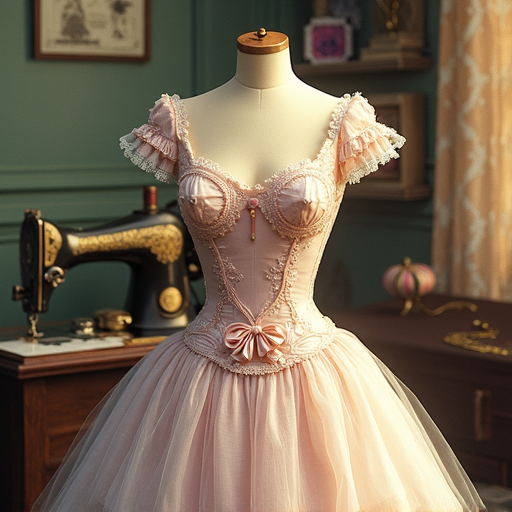
Threads of Truth
A Transgender Coming of Age Romance
From the Harmony Aspirant Universe
Chapter 17: Unlikely Alliances
By Ariel Montine Strickland
What will happen when Rose is transferred to The Denver Hospice as Rose's soon death becomes sure? How will Rose, Ada, Julian and Kiki deal with unlikely alliances presented?
Copyright 2025 by Ariel Montine Strickland.
All Rights Reserved.
The Last Teaching
Dr. Zofia Harris's voice carried the careful weight of finality as she spoke to Kiki in the hallway of Presbyterian Saint Luke Medical Center, where Rose Martinez had spent the last month on bed rest. The October morning light streamed through tall windows, casting long shadows that seemed to echo the gravity of the moment.
"I'm sorry, Kiki. The treatments we tried over the past weeks haven't been able to slow the cancer's progression. Her lungs are failing, and there's nothing more we can do medically." Dr. Harris's compassionate eyes reflected years of delivering difficult news. "We're recommending immediate transfer to Denver Hospice. She'll be more comfortable there, and they have a beautiful facility in Lowry with gardens she might enjoy."
Kiki nodded, her throat too tight for words. After a month of daily visits, watching Rose grow frailer despite her determined spirit, this moment felt both sudden and inevitable.
In Room 314, Rose was awake and alert despite the oxygen mask covering her face. Her weathered hands rested on the white hospital blanket, and her eyes tracked to Kiki immediately with the sharp focus that had never diminished, even as her body failed.
"Ya te dijeron," Rose said simply, her voice muffled but clear as she removed the oxygen mask despite the nurses' gentle protests. The thick accent of her childhood in Juárez colored her words now, as if the approach of death was calling her home to her first language.
"Rose, please keep that on—"
"Mija, no tenemos tiempo para pretender." Rose's grip found Kiki's hand with surprising strength. "Mañana es la manifestación. The community needs to hear your truth about yourself, about the sanctuary, about what love really means in this world."
"No puedo hacer esto sin ti," Kiki replied, her Spanish flowing more naturally now after months of dedicated study. She turned to Ada and Julian, who stood uncertainly beside the bed. "She said they told me. I said I can't do this without her. And she said tomorrow is the rally."
Rose's eyes blazed with the fierce love that had guided Kiki through every transformation over the past months. "Ya estás lista, mi amor. Te he enseñado todo lo que sé sobre la restauración, sobre el negocio, sobre luchar por lo que importa." She paused, catching her breath. "The legal papers are in my desk drawer—the shop, the sanctuary, everything is yours. But most importantly, I've taught you that your authentic self is the most beautiful thing you'll ever wear."
"She says I'm ready," Kiki translated for Ada and Julian, tears making her voice thick. "She's taught me everything about restoration and fighting for what matters."
The ambulance transfer felt different from the emergency transports Kiki had witnessed during Rose's previous crises. This journey carried the quiet acceptance of transition, the gentle passage from one phase to another. Ada and Julian followed in Ada's Honda Civic, understanding that this ride marked not just a change of location, but the approaching end of Rose's mentorship.
Rose remained conscious throughout the careful transport, her eyes taking in Denver's familiar neighborhoods one last time. "Dime del vestido que escogiste para mañana," she whispered to Kiki, who rode beside her.
"El vestido de seda verde esmeralda con botones de perla. Tiene mangas tres cuartos y una falda que llega justo debajo de la rodilla. Los botones van desde el cuello hasta la cintura, y la cintura tiene un cinturón delgado que acentúa la forma."
Rose's eyes brightened despite her exhaustion. "Ah sí, el de 1962. Y los zapatos de charol negro con tacón de dos pulgadas? Los que combinan perfectamente?"
"Sí, y la cartera pequeña de cuero negro con la cadena dorada. Y voy a llevar el collar de perlas que me regalaste, el que perteneció a tu abuela."
"Perfecto. Y tu cabello?"
"En un chongo bajo al lado, como me enseñaste, con horquillas de perla. Y solo un poco de rímel y lápiz labial rosa pálido."
Kiki turned to Ada and Julian, who were watching the exchange with obvious curiosity. "She asked about my dress for tomorrow. I'm wearing the emerald green silk dress from 1962—the one with three-quarter sleeves and the knee-length skirt. It has pearl buttons from the neckline to the waist, with a thin belt that defines the waistline. I'll wear the black patent leather shoes with two-inch heels, and carry the small black leather purse with the gold chain."
Julian leaned forward, his photographer's eye engaged. "The accessories?"
"Rose's grandmother's pearl necklace, and I'll wear my hair in a low side chignon with pearl hairpins. Just mascara and pale pink lipstick—Rose always said that true elegance whispers, never shouts."
"Perfecto." Rose smiled, her breathing labored but her spirit undimmed. "Mañana estarás frente a esa multitud y verán lo que siempre he visto—una mujer que conoce su valor y lucha por lo que ama. Te verás como una verdadera dama, pero con el fuego de una guerrera en tus ojos."
"She says tomorrow I'll stand in front of that crowd and they'll see what she's always seen—a woman who knows her worth and fights for what she loves. I'll look like a true lady, but with the fire of a warrior in my eyes," Kiki translated, her voice breaking with emotion.
Denver Hospice sat among mature trees, its architecture designed to feel more like a gracious home than a medical facility. Rose's room overlooked a garden where late-blooming roses climbed a wooden arbor, their October petals holding the last warmth of the season.
"Qué hermoso," Rose murmured as the hospice staff helped her settle into the bed that would be her final resting place. Ada arranged Rose's personal items—the photograph of her late husband, her worn Bible, and the small sewing box that had traveled with her from Mexico sixty years ago.
"The morphine will help manage the pain," the hospice nurse explained gently as she adjusted Rose's medication. "Many patients remain alert for meaningful conversations with family, even as they become more comfortable."
Rose fought the drowsiness for another hour, speaking primarily in Spanish now. Ada leaned forward, wanting to communicate with the woman who had become like a mother to her. "Tell her I love her," Ada whispered to Kiki. "Tell her the cats are all healthy and happy."
"Ada dice que te ama y que todos los gatos están sanos y felices," Kiki translated.
Rose smiled, her eyes finding Ada's face. "Dile que es una mujer hermosa con un corazón grande. Los gatos tienen suerte de tenerla."
"She says you're a beautiful woman with a big heart," Kiki translated, fresh tears in her eyes. "She says the cats are lucky to have you."
Julian stepped closer, his usual composed demeanor cracking. "Tell her... tell her that documenting her collection changed my life. That meeting you in her shop was the best thing that ever happened to me."
Kiki translated Julian's words in Spanish, and Rose's eyes grew bright with satisfaction. "Dile que siempre supe que él era el hombre correcto para ti. Tienen mi bendición. Y dile que mañana cuando te veas en el espejo con ese vestido verde, recordarás que el amor verdadero te hace más hermosa de lo que cualquier vestido puede hacer."
"She says she always knew he was the right man for you," Kiki whispered. "You have her blessing. And she says tomorrow when I look in the mirror wearing that green dress, I should remember that true love makes me more beautiful than any dress ever could."
Rose continued speaking, her voice growing softer. "Cuida el santuario. Las mujeres del barrio van a necesitar tu ayuda. Y recuerda que el amor siempre gana."
"She wants me to take care of the sanctuary," Kiki translated for Ada and Julian. "She says the neighborhood women will need my help, and that love always wins."
Ada reached for Rose's hand. "Can you tell her that she saved me? That when I had nowhere to go, she gave me a home and a family?"
Kiki's voice broke as she translated: "Ada dice que la salvaste. Que cuando no tenía a dónde ir, le diste un hogar y una familia."
Rose squeezed Ada's fingers weakly. "Dile que ella me salvó a mí también. Me dio propósito cuando mi corazón estaba roto."
"She says you saved her too," Kiki translated. "You gave her purpose when her heart was broken."
As the afternoon wore on and the medication began to take stronger effect, Rose's speech became more intermittent. But her eyes remained alert, tracking between Kiki, Ada, and Julian with deep contentment.
"Tell her we'll take care of each other," Julian said quietly. "Tell her we'll honor everything she built."
"Julian dice que nos cuidaremos unos a otros y que honraremos todo lo que construiste," Kiki whispered.
Rose nodded slightly, her eyes beginning to close. "Eso es todo lo que una madre puede pedir." That's all a mother can ask for, Kiki translated silently to herself, understanding that some final words were meant to be treasured privately.
Ginger arrived just as Rose settled into deeper sleep. "Gracias por todo, mamá. Gracias por amarla como yo la amo," she whispered, her childhood Spanish flowing naturally.
Walking through Denver Hospice's quiet corridors toward the parking lot, Kiki carried the weight of Rose's final words and blessings for all of them. Tomorrow she would step fully into the light Rose had always seen in her, wearing the emerald silk dress like armor made of love and legacy.
Outside, the October sun warmed her face as they prepared to return to the dress shop, where the rally preparations waited and the community depended on her finding the voice Rose had spent months helping her discover. The torch had been passed; tomorrow she would prove herself worthy of carrying it forward, dressed in Rose's carefully chosen vintage perfection.
Meeting Margaret
The morning light filtered through Margaret Thornfield's Victorian parlor with a quality that seemed to soften the edges of everything it touched, including the woman herself. Kiki sat in an antique wingback chair, her hands folded carefully in her lap, trying to reconcile this domestic setting with the formidable opponent who had been instrumental in attacking Rose's professional credibility just weeks earlier.
Margaret moved with the practiced grace of someone who had spent decades hosting important conversations, her silver hair pinned in an elegant chignon that reminded Kiki painfully of Rose's characteristic styling. She wore a tailored suit in deep navy that spoke of quiet authority, but her eyes held something Kiki hadn't expected—vulnerability mixed with what looked remarkably like regret.
"Thank you for coming," Margaret said, settling into the chair across from Kiki with a china tea service between them. "I know this must seem strange, given our recent... disagreements."
Kiki accepted the offered teacup with careful politeness, her restoration training helping her recognize the delicate porcelain as genuine Spode from the 1940s. "Rose said you had something to show me about your grandmother's work during the war."
Margaret's expression grew more serious as she reached for a leather portfolio that had been resting on the side table. "My grandmother, Eleanor Thornfield, was a seamstress during World War II. She worked for the Women's Army Corps, but she also did something else—something I only discovered after her death last year."
She opened the portfolio to reveal photographs, documents, and what appeared to be detailed sketches of women's clothing from the 1940s. Kiki leaned forward, her professional interest immediately engaged by the quality of the documentation and the obvious care with which it had been preserved.
"She ran an underground network," Margaret continued, her voice carrying a note of pride mixed with amazement. "Women who were fleeing abusive marriages, escaping dangerous situations, or simply trying to start new lives—Eleanor provided them with new identities through clothing."
Kiki studied the photographs with growing fascination. Each image showed a woman in carefully constructed vintage attire, but the accompanying notes revealed the strategic thinking behind every choice—how a change in hairstyle, makeup, and clothing could transform someone's entire appearance and social class presentation.
"She understood that clothing wasn't just fashion," Margaret said, watching Kiki's reaction carefully. "It was armor, disguise, and empowerment all at once. These women needed more than just new clothes—they needed new identities that would allow them to disappear from dangerous situations and rebuild their lives."
Kiki felt her heart skip as she recognized the profound connection between Eleanor's wartime work and what Rose had been teaching her about the transformative power of vintage clothing. "This is incredible. How many women did she help?"
Margaret consulted a handwritten ledger that had been tucked into the portfolio. "Over two hundred, between 1942 and 1946. She worked with a network of other seamstresses, hairdressers, and even some sympathetic officials who helped with documentation."
The implications of what Margaret was sharing began to settle around Kiki like pieces of a complex puzzle. "Why are you showing me this?"
Margaret's expression grew more vulnerable, the professional authority she usually projected giving way to something more personal and uncertain. "Because I've been wrong about you and Rose. Terribly, shamefully wrong."
She stood and moved to the window, looking out at her carefully maintained garden with obvious distress. "When Harold approached me about your restoration practices, I saw what I wanted to see—amateur enthusiasm masquerading as professional expertise. I was so focused on credentials and institutional validation that I missed what was actually happening."
Kiki felt her protective instincts warring with her curiosity about this unexpected revelation. "What changed your mind?"
Margaret returned to her chair, her movement careful and deliberate. "I spent the past week reading through my grandmother's papers more thoroughly. Her techniques, her understanding of how clothing could transform lives, her commitment to helping vulnerable women—it's exactly what you and Rose have been doing."
She pulled out a specific photograph that showed a young woman in a perfectly fitted 1940s dress, her posture confident despite the fear visible in her eyes. "This woman was fleeing an abusive husband. Eleanor didn't just give her new clothes—she taught her how to carry herself differently, how to present as someone from a different social class, how to use fashion as a tool for survival."
Kiki studied the image with growing understanding of the connections Margaret was drawing. "Rose has been teaching me the same principles. How clothing can help people discover their authentic selves, how restoration work preserves the stories of women who used fashion to claim their power."
Margaret nodded with obvious relief at Kiki's understanding. "Exactly. And I attacked that work because it didn't fit my narrow definition of professional historical preservation. I was so concerned about credentials that I forgot about the actual purpose of preservation—keeping important knowledge and practices alive."
The morning light continued to stream through the parlor windows, casting everything in a golden glow that seemed to soften the edges of their previous antagonism. Kiki felt something shifting in her understanding of Margaret—not forgiveness exactly, but recognition of shared values that had been obscured by professional disagreements.
"There's more," Margaret said, pulling out additional documents. "Eleanor's network included several women who went on to establish their own businesses, their own support systems for vulnerable women. The work didn't end with the war—it evolved and continued."
Kiki felt her excitement building as she recognized the historical precedent for exactly the kind of community-based support system that Rose had been creating. "This could be incredibly valuable for our coalition meeting this afternoon."
Margaret's expression grew more serious. "That's why I wanted to meet with you privately first. I want to formally withdraw my support for Harold's campaign and offer my expertise to help defend your sanctuary and restoration work."
The offer hung in the air between them, carrying the weight of professional credibility that could significantly strengthen their position with city officials and regulatory agencies. Kiki felt her strategic mind engaging with the possibilities while her emotional instincts remained cautious about trusting someone who had recently been attacking everything she valued.
"Why should I believe this isn't some kind of strategic manipulation?" Kiki asked directly, her voice carrying the confidence that Rose's mentorship had been building for months.
Margaret's smile was rueful but genuine. "Because I'm not just offering professional support—I'm offering to make amends. Harold's campaign has caused real harm to your work and Rose's health. I want to help repair that damage."
She pulled out a final document from the portfolio—a formal letter on Historical Preservation Society letterhead. "I've prepared a statement acknowledging that your restoration practices meet and exceed professional standards, and recommending that the state licensing board dismiss their investigation."
Kiki read the letter with growing amazement, recognizing the comprehensive nature of Margaret's reversal and the potential impact it could have on their legal challenges. "This could change everything."
Margaret nodded with obvious satisfaction. "Harold's regulatory approach assumes that community-based operations are inherently unprofessional. My grandmother's documentation proves that some of the most important preservation work has always been done by people who cared more about results than credentials."
As the morning progressed, Kiki found herself increasingly energized by the collaborative potential that Margaret's alliance represented. The Historical Preservation Society's endorsement could provide exactly the institutional credibility they needed to counter Harold's systematic campaign.
"There's something else you should know," Margaret said as they prepared to conclude their meeting. "Harold's attacks on small animal welfare operations extend beyond your sanctuary. He's been systematically targeting community-based programs throughout the city."
Kiki felt her strategic instincts engaging with this broader pattern. "Which means we're not just fighting for our sanctuary—we're fighting for a model of community care that affects multiple organizations."
Margaret nodded approvingly. "Exactly. And that's why this afternoon's coalition meeting is so important. With proper coordination and institutional support, you can turn Harold's systematic approach against him."
As Kiki prepared to leave for the coalition meeting, she felt a fundamental shift in her understanding of the challenges they faced. Margaret's alliance didn't just provide professional credibility—it offered historical precedent for exactly the kind of work Rose had been doing, and strategic insight into how community-based care could survive bureaucratic opposition.
"Thank you," Kiki said as Margaret walked her to the door. "For sharing your grandmother's story, and for recognizing what Rose has been trying to preserve."
Margaret's expression carried obvious gratitude mixed with determination. "Thank you for giving me the opportunity to make this right. Eleanor would have loved Rose's work—and she would have been proud to see it continuing."
As Kiki walked toward the coalition meeting, she felt the weight of Eleanor's documentation in her bag and the strength of unexpected alliance supporting her mission. The morning had transformed a formidable opponent into a powerful ally, providing both historical validation and strategic advantage for the battles ahead.
The vintage dress shop might still be closed and the sanctuary might still be shuttered, but the coalition meeting would now include institutional credibility that could challenge Harold's regulatory narrative. Margaret's grandmother had used clothing to help vulnerable women survive dangerous situations—now Margaret herself was helping to preserve that legacy by supporting the modern equivalent of Eleanor's transformative work.
The threads of their story were being rewoven once again, strengthened by historical precedent and the recognition that some battles transcend individual disagreements to become fights for principles that matter across generations. The coalition meeting would test their ability to coordinate resistance, but they were no longer facing Harold's systematic campaign without institutional allies who understood the true value of community-based care.